Tomato Egg Stir-fry – A Simple and Hearty Breakfast Dish
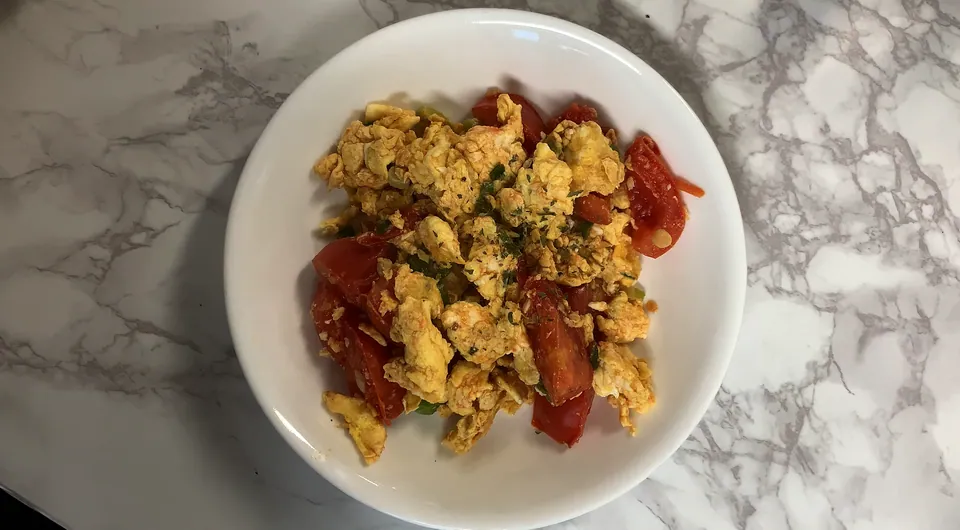
Tomato egg stir-fry is a quick and nourishing breakfast dish. By stir-frying tomatoes and eggs in fragrant green onion oil, then seasoning with soy sauce and oyster sauce, you get a warm, flavorful, and nutritious one-bowl meal.
Hello there~
Today, I am thrilled to introduce a recipe that is a absolute lifesaver for busy mornings, taking less than 10 minutes to prepare while delivering a powerhouse of nutrients: Tomato Egg Stir-fry.
Known as “Xihongshi Chao Jidan” in China, where it is a beloved staple of everyday home cooking, this dish is not only incredibly delicious but also acts as the perfect comfort food to gently wake up a sleepy stomach 😊 While the recipe might seem almost too simple, mastering the texture of the eggs and balancing the acidity of the tomatoes involves a few fascinating culinary science principles. Once you understand these, you can elevate these humble ingredients into a beautiful, silky, restaurant-quality meal. Let’s dive into the details and the science behind this quick and healthy breakfast!
📋 Recipe Overview
- Prep & Cook Time: Approx. 15 mins
- Difficulty: Easy
- Servings: 2 servings
- Cooking Method: Stir-frying / Pan Scrambling
🛒 Ingredients – Quick, Easy, and Nutritious
One of the greatest benefits of a tomato egg stir-fry is that it requires no special shopping trips. You can easily whip it up using basic ingredients that are almost always sitting in your refrigerator. Having an easy, stress-free recipe is key to maintaining a healthy breakfast routine!
- 2 ripe, red tomatoes (or 15-20 cherry tomatoes)
- 4 fresh eggs
- 1 stalk of green onion (mostly the white and light green parts)
- 2 tbsp high-quality olive oil
- 1 tbsp soy sauce
- 1 tbsp oyster sauce (use vegetarian mushroom oyster sauce for a vegan version)
- A tiny pinch of sugar
These simple ingredients work together to create an extraordinary flavor profile.
If you want to customize the dish, here are some ingredient alternatives and nutritional upgrades: Instead of large slicing tomatoes, you can use cherry tomatoes sliced in half. Cherry tomatoes contain less excess water and a thicker skin, which keeps the dish cleaner and prevents it from turning too watery.
If you want to boost the protein content, stir-fry a handful of peeled prawns or cocktail shrimp along with the tomatoes. The snappy, sweet shrimp add a wonderful contrast to the soft eggs. To add iron and vibrant color, toss in a handful of fresh baby spinach during the final 30 seconds of cooking, allowing it to wilt gently. For a strict vegan option, swap the eggs for firm tofu that has been crumbled and pressed. Toss the tofu with a tiny pinch of turmeric powder to mimic the beautiful yellow color of scrambled eggs, and sauté it with the tomatoes.
🌿 Green Onion Oil – A Fragrant and Aromatic Foundation
To start, slice the green onion into thin rounds. Before heating your pan, add 2 tablespoons of olive oil and the sliced green onions. Cook them together over medium-low heat to slowly infuse the oil.
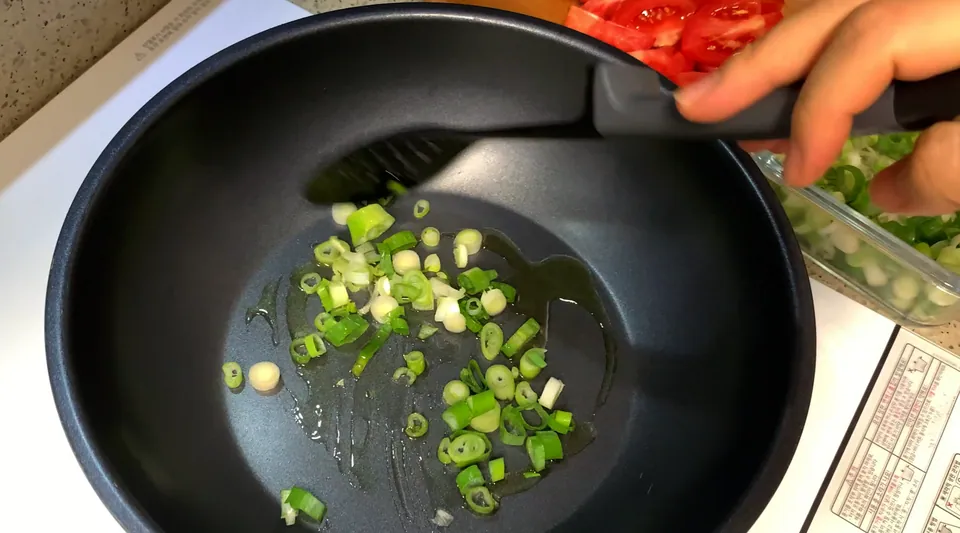
Green onions contain allicin, the compound responsible for their sharp, pungent raw smell. When heated gently in oil, allicin breaks down and transforms into sweet, warm, and highly aromatic compounds. This infused scallion oil serves two vital purposes: it neutralizes the natural sulfur compounds in the eggs that can sometimes cause a “fishy” aroma, and it rounds out the sharp, sour notes of the cooked tomatoes. While butter can be used for a richer taste, olive oil is much lighter and easier on the digestive system first thing in the morning, making it the perfect choice for breakfast.
🍅 Preparing Tomatoes – Unlocking Lycopene and Umami
The star of today’s show is two ripe tomatoes. Wash them, remove the tough cores, and cut them into 8 wedge-shaped pieces (like apples). Cooking tomatoes triggers a massive chemical transformation that dramatically boosts both their flavor and nutritional profile.
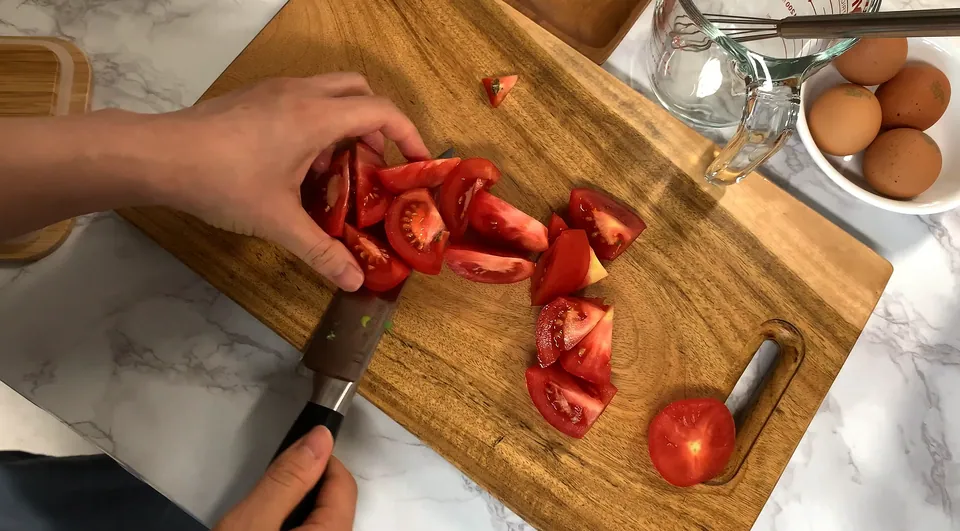
Tomatoes are famous for containing lycopene, a powerful antioxidant linked to heart health and reduced cellular damage. In raw tomatoes, lycopene is locked tightly inside the fibrous plant cell walls. Because lycopene is a fat-soluble nutrient, eating it raw results in very low absorption by our bodies. However, when we sauté tomatoes in olive oil, the heat collapses the cell walls and allows the lycopene to dissolve into the oil. This increases the bioavailability of lycopene by 3 to 4 times! Cooking your tomatoes in oil is scientifically proven to be far healthier than eating them raw.
Furthermore, as the heat breaks down the tomatoes, they release high concentrations of glutamic acid (natural MSG). This acid provides a rich, savory, and satisfying depth of flavor.
However, as the tomatoes cook, their natural water evaporates, which can cause their organic acids (like citric acid) to taste sharp and sour. To balance this, always add a tiny pinch of sugar (about 1/2 teaspoon) when sautéing them. The sugar molecules interact with our taste receptors, neutralizing the perception of harsh sourness and highlighting the tomato’s natural sweetness and savory umami.
🥚 Preparing Eggs – The Science of Soft Scrambling
Crack four eggs into a bowl and beat them thoroughly with a pinch of salt until no streaks of egg white remain. The proteins in eggs are highly sensitive to heat and coagulate at relatively low temperatures.
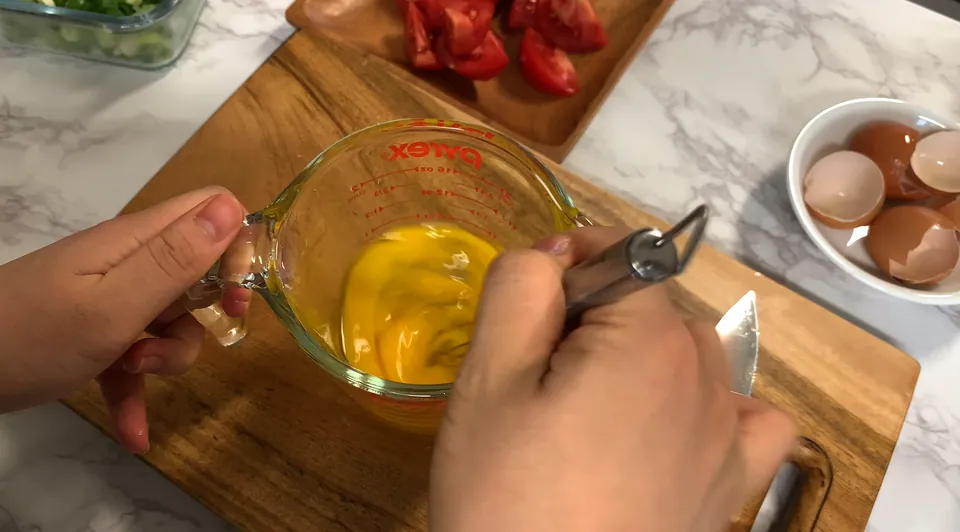
Egg whites begin to coagulate at around 60°C (140°F), while the yolks set at around 70°C (158°F). If you attempt to cook raw eggs and juicy tomatoes in the same pan at the same time, the massive amount of water released by the tomatoes will prevent the egg proteins from binding together. Instead of soft, pillowy curds, you will end up with a watery, gray, and unappealing soup. Conversely, if you cook the eggs too long, the protein bonds tighten too much, squeezing out their internal moisture and leaving you with a rubbery, dry scramble.
To achieve the perfect, velvety texture, follow this professional cooking sequence:
- Heat your pan with a little oil and pour in the beaten eggs.
- As the edges begin to set, lower the heat to medium-low. Use a spatula to gently fold the eggs from the outer edges toward the center. This creates large, soft, layered curds (a soft scramble).
- As soon as the eggs are about 70% cooked—still glossy, wet, and slightly runny—immediately transfer them out of the pan and onto a plate. The residual heat will continue to cook them slightly, so removing them early is the key to preventing dryness.
🍳 Stir-frying and Assembly – Bringing It Together
In the same pan, drizzle a tiny bit of olive oil and sauté the green onions until fragrant, then toss in the sliced tomatoes. Cook the tomatoes over medium heat, pressing down gently with your spatula to release their juices. Cook until the skins begin to wrinkle and a thick, glossy tomato sauce forms in the pan.
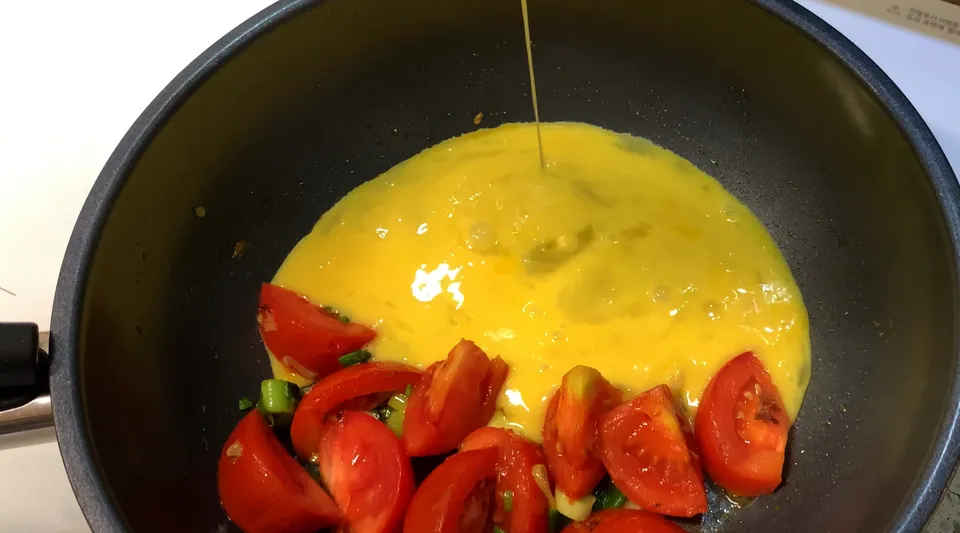
Once the tomatoes are soft and saucy, drizzle 1 tablespoon of soy sauce and 1 tablespoon of oyster sauce around the edges of the pan, letting them caramelize briefly before folding them into the tomato mixture.
Finally, turn off the heat completely and return the soft scrambled eggs to the pan. Use a gentle folding motion to combine the eggs with the tomato sauce, making sure not to break up the delicate egg curds. Leaving the heat off during this final step prevents the eggs from overcooking and absorbing too much acidic tomato juice, ensuring that they remain incredibly moist and tender.
🍽️ Serving a Warm and Comforting Breakfast
The finished tomato egg stir-fry is a visual delight, showcasing a beautiful contrast of bright red tomatoes, golden yellow eggs, and green scallions.
During my early days of cooking, I tried to save time by throwing everything into the pan together and stirring frantically. The result was a soggy, gray mess that looked terrible and tasted bland. That failure taught me how important it is to follow the correct scientific steps, even for the simplest recipes.
This morning, I served a warm plate of this stir-fry with a bowl of freshly steamed white rice to my husband, who was still half-asleep. He scooped a large spoonful of the soft eggs and sweet, tangy tomatoes over his rice and took a bite. A warm smile instantly spread across his face. “This is so soft and comforting,” he said, “it’s the perfect breakfast when you don’t feel like chewing anything heavy.” Seeing him clean his plate filled me with joy and made my early morning kitchen prep completely worth it.
💛 Wrapping Up
Tomato egg stir-fry is the ultimate quick, healthy, and budget-friendly breakfast that shows real care and love. In our busy lives, it is easy to skip breakfast, but starting the day with a warm, nourishing bowl of soft eggs and tomatoes can change your entire mood. I hope you try this science-backed, extra-soft recipe for yourself and your loved ones!
🧪 The Science & Pro Tips for Tomato Stir-Fried Eggs
This classic Chinese home dish (Scrambled Eggs with Tomatoes) is an excellent example of nutritional synergy and temperature control.
- Increasing Lycopene Bioavailability with Oil: Tomatoes are rich in lycopene, a powerful antioxidant. Lycopene is fat-soluble and locked inside the plant’s cell walls. Cooking tomatoes in hot cooking oil breaks down these cellular barriers, letting the lycopene dissolve into the oil. This increases its absorption rate in the human body by up to 4 to 5 times compared to raw tomatoes.
- Egg Protein Coagulation Control: Egg whites begin to coagulate at 60°C (140°F), while yolks set at 65°C (149°F). Overheating them past 70°C squeezes out moisture, making the egg rubbery. To keep the eggs silky, scramble them on medium-low heat, fold gently, and remove them from the pan when they are only 70% cooked. Let the residual heat finish the job.
- Avoiding a Soupy Mess: Tomatoes release a lot of water when cooked with salt. Stir-fry the tomatoes quickly on high heat, then fold in the pre-cooked scrambled eggs at the very end. The eggs will absorb some of the tomato juices without turning soggy.
👩🍳 SSUCOOK’s Recipe Trustworthiness & Food Safety Guide
- Family-Tested Recipe: This recipe has been hand-crafted, cooked, and family-approved by SSUCOOK. I test and refine every step in my own kitchen to ensure a reliable culinary experience.
- Safe Food Storage: Do not leave cooked food at room temperature for more than 2 hours. Transfer it to an airtight container and refrigerate below 4°C (39°F). Consume within 3 days. For longer storage, freeze portions for up to 1 month. When preparing meals for infants or vulnerable individuals, maintain strict kitchen hygiene by separating knives and cutting boards for raw meat and vegetables.
Have a wonderful, energy-filled day, and eat well! I will see you in the next post with more delicious stories from my kitchen! 🍅🥚🍚