Homemade Salt Butter Rolling – A Day Filled with Savory Aroma
Salt Butter Rolling comes from Brittany, France, a coastal region famous for its sea salt and top-quality butter. Long ago, bakers combined these two treasures to create a bread that’s crisp on the outside, soft inside, and sprinkled with coarse salt for a delightful savory bite. It’s not sweet, making it perfect with coffee or tea. In recent years, it’s become a must-try treat in Korea, with people lining up to get a taste.
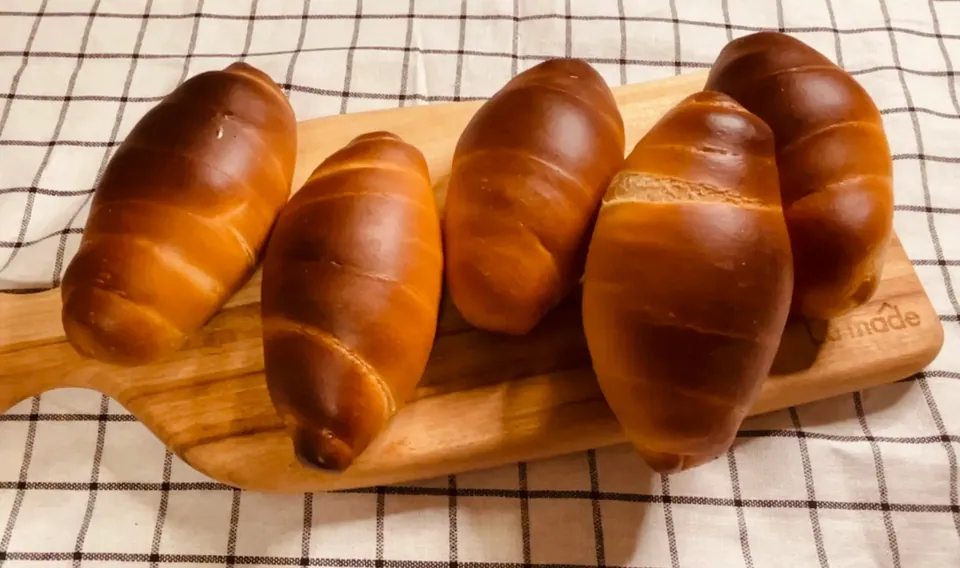
Hello there :)
Today, I’d love to share my experience making one of my favorite breads — salt bread — at home.
My husband especially loves this bread, so I bake it quite often. This time, I followed Duke’s recipe.
I’m self-taught in baking, so there may be some rough edges, but that just means the recipe is full of love.
🧑🍳 Let’s Start with the Ingredients
First, let’s measure everything:
- Bread flour: 200g
- Cake flour: 50g
- Skim milk powder: 15g (I used leftover baby formula instead)
- Dry yeast: 3g
- Salt: 5g
- Sugar: 15g
It’s important to keep the yeast, salt, and sugar from touching each other directly.
Coat each with flour before mixing all the dry ingredients evenly.
Next, add 165ml of water.
Here’s a key tip! Use tap water — it helps fermentation more than purified water.
Mix with a spatula until it clumps together, then let it rest at room temperature for about 30 minutes.
🌀 Time to Knead!
After 30 minutes, it’s time to knead.
I used the L’EQUIP dough mixer (not sponsored 😊).
The great thing about this mixer is that it automatically adjusts speed and time with one button,
and even tells you when to add butter — super helpful for home bakers!
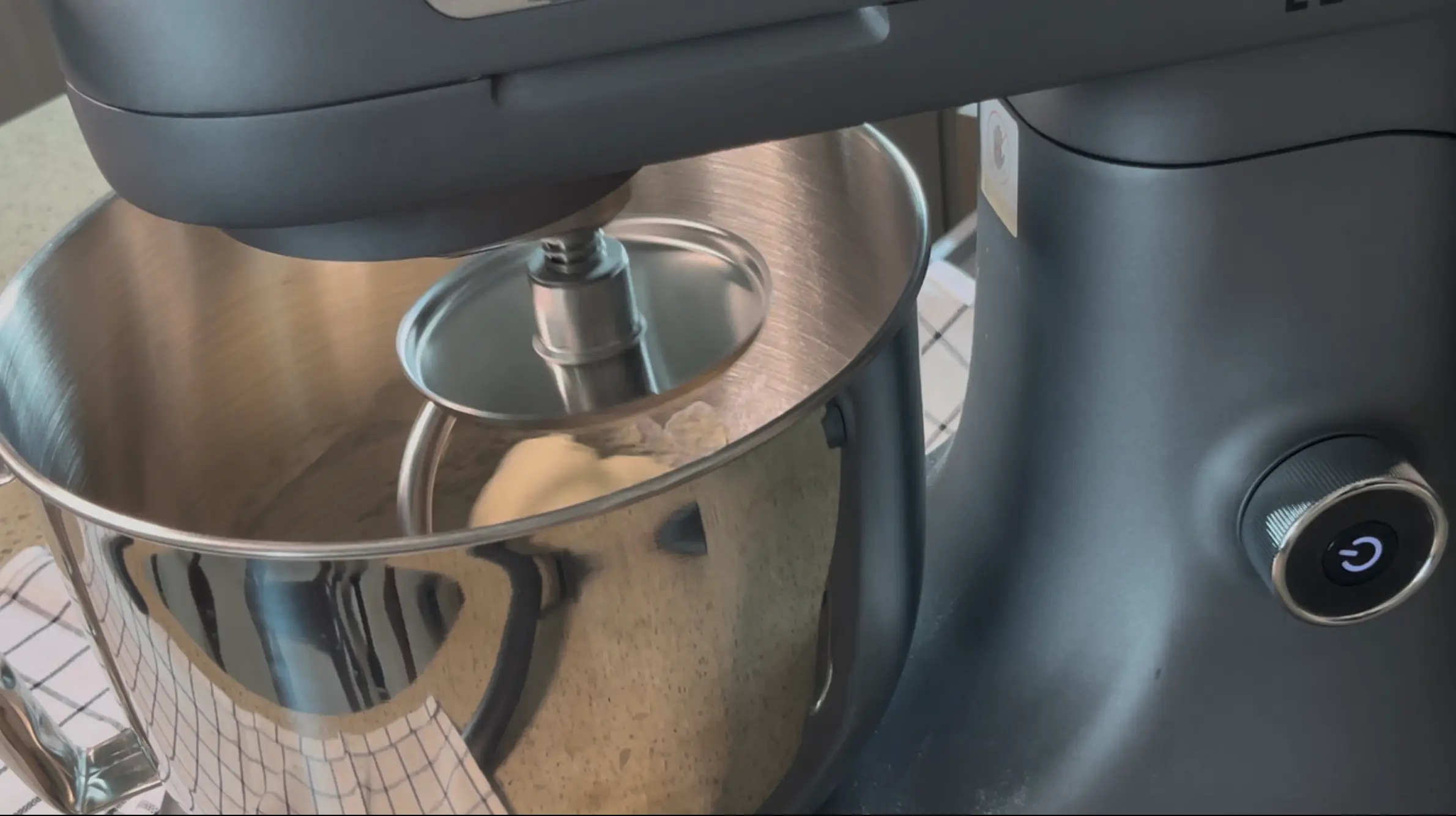
Once the dough is ready, tidy it up and start fermentation.
Cover with plastic wrap to prevent drying, and let it ferment at room temperature for 60 minutes.
🍞 Shaping and Resting
After fermentation, divide the dough into 70g portions.
This recipe makes 6 salt breads.
If there’s leftover dough, just add a bit to each of the 6 portions.
Now let’s round the dough.
Fold it inward, then roll it into a ball on a mat or with your palm.
Next, shape it into a tadpole shape — tapering toward the tail is key!
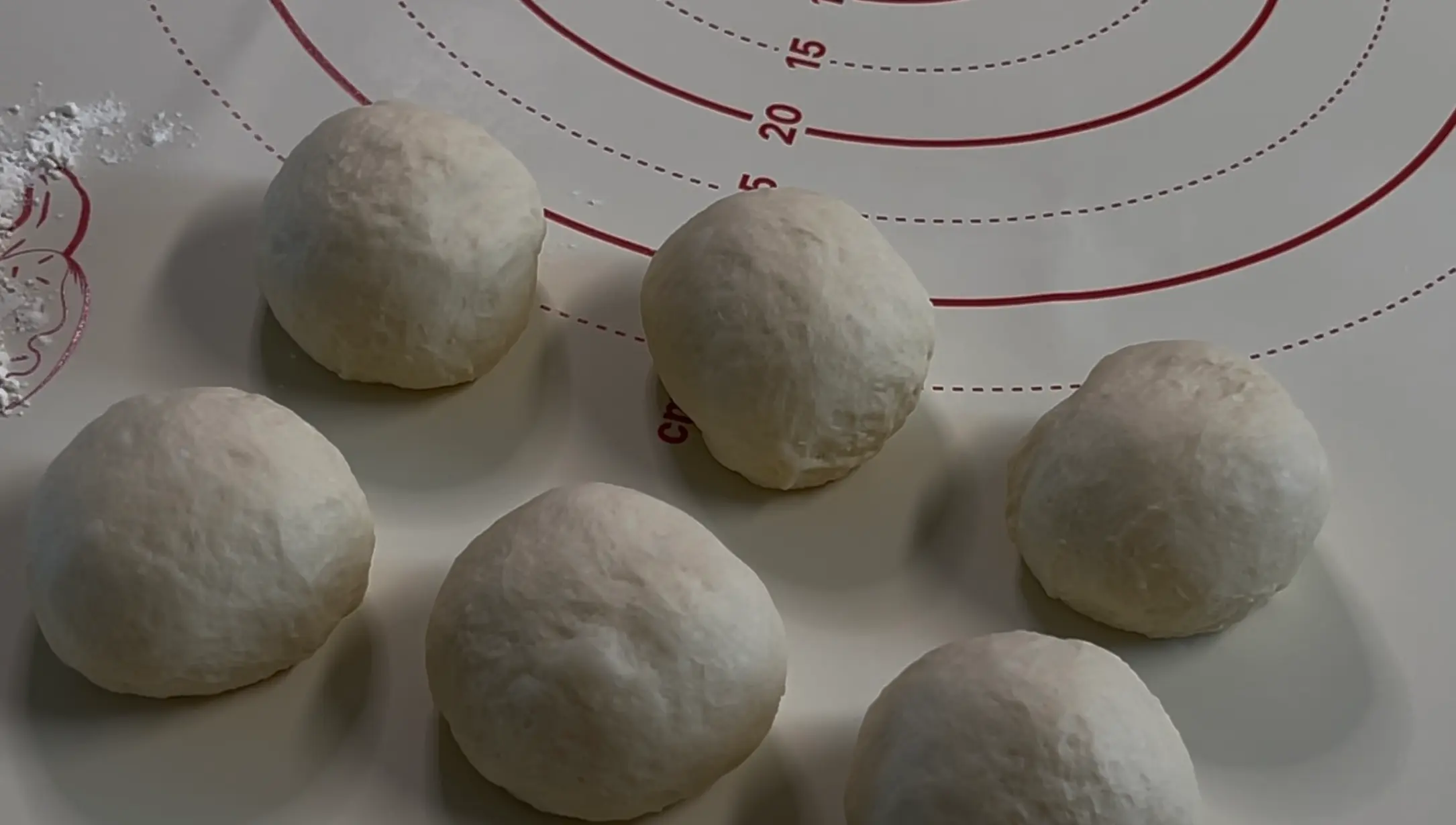
Let the shaped dough rest at room temperature for 20 minutes.
After resting, stretch the dough.
Push the top part and pull the bottom part downward as you roll.
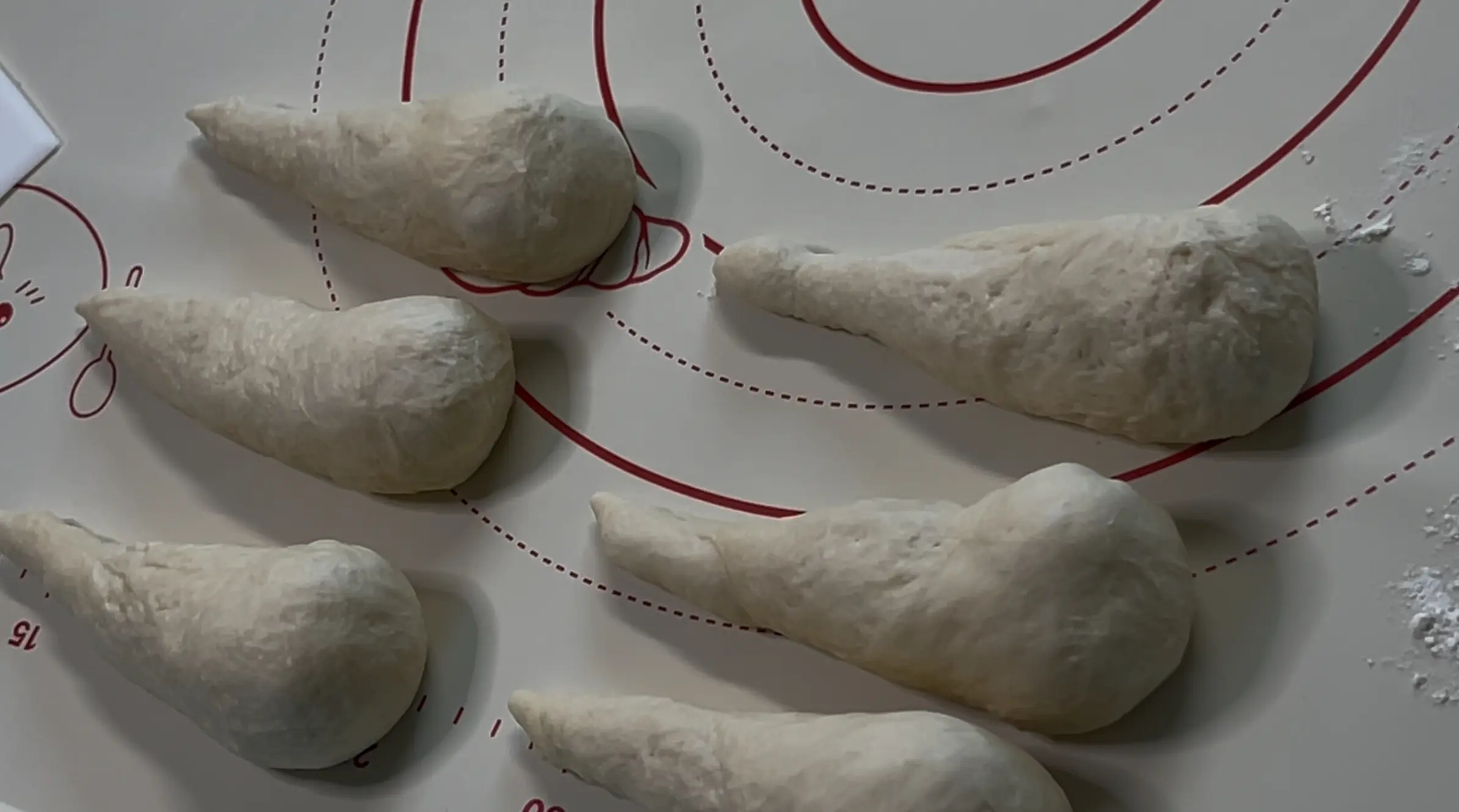
🧈 Butter Filling and Shaping Tips
Now place the butter filling on the top part and gently roll it up.
Repeat the same for the rest of the dough.
Some salt bread recipes suggest sealing the sides after adding butter,
while others leave them open.
Korean master baker Bread Junseo says:
“For salt bread, leaving the sides open allows the butter to naturally flow out and absorb into the bottom,
making it crispy.”
So I also leave the sides open.
🔥 Final Proof and Baking
Let the shaped dough proof for about 60 minutes.
Usually, you sprinkle a bit of salt on top after proofing,
but I skipped that this time.
Preheat the oven to 220°C,
then bake at 200°C for 20 minutes.
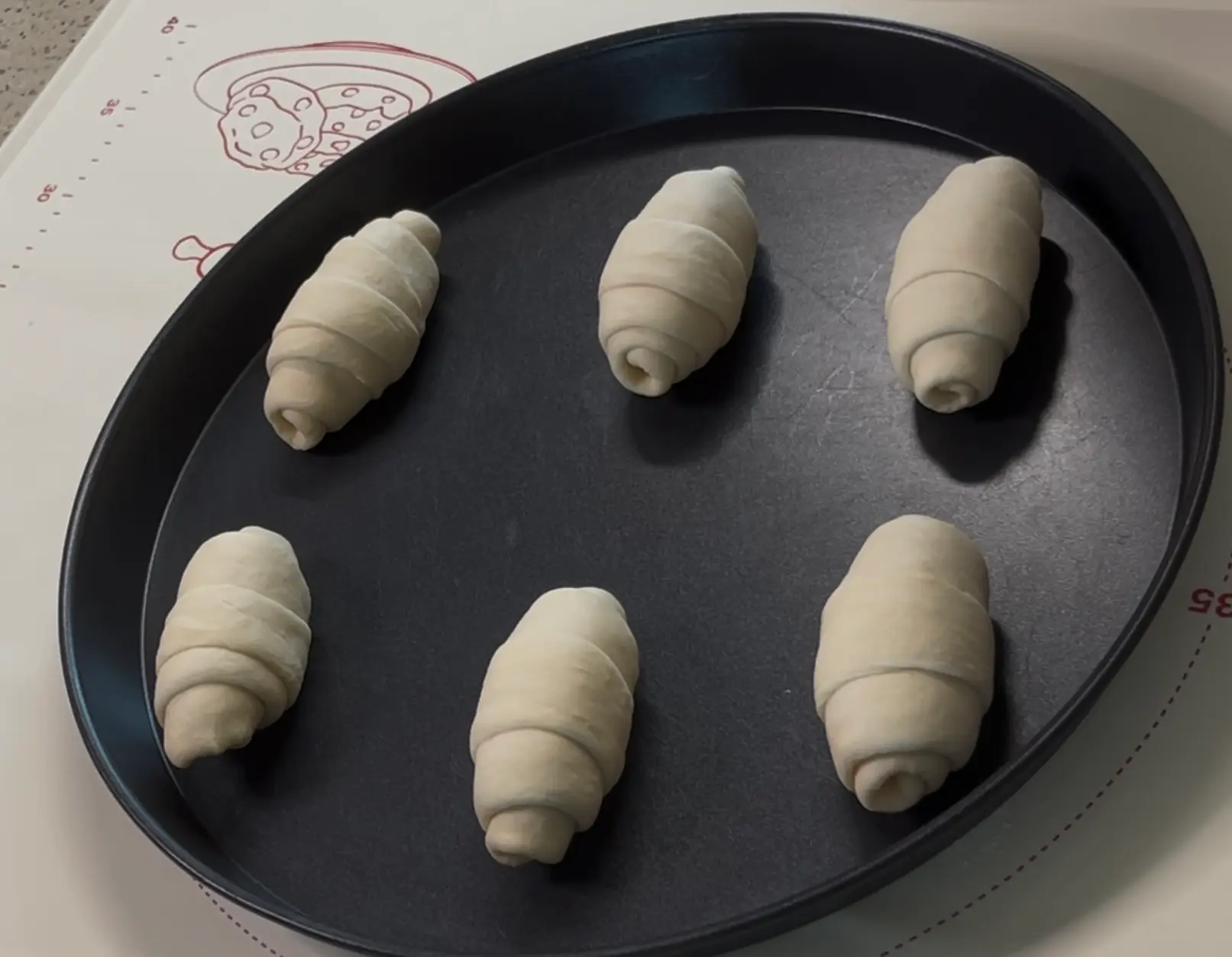
Once baked, your salt bread is ready!
It’s delicious as is, but if you brush a little leftover butter on top,
it adds a glossy finish and makes it look even more appetizing.

After cooling a bit, cracks may appear on the surface —
but I find that adds to its charm.
💛 Wrapping Up
Though I’m self-taught and still learning,
the biggest reward is seeing my family enjoy the bread.
Since it’s my husband’s favorite, I keep coming back to it.
Salt bread uses simple ingredients,
and with a little care, you can make it delicious at home.
I hope you give it a try :)
The savory aroma from the oven and a warm table
can make your day just a little happier.